Made in Malmö since 2014
Hand-finished watches, made to be handed down.
Osmund builds 220 mechanical watches a year on two benches. Every one is assembled, regulated and signed by the watchmaker who will service it.
-
Five-year warranty
On the movement, the case and the work. Serviced by the hand that built it.
-
Free insured shipping
Door to door in a signed-for parcel, anywhere in the EU, UK and US.
-
30-day returns
Wear it for a month. If it is not the one, send it back at our cost.
The collection
Three watches. One movement.
Every Osmund carries the OS.24, a hand-wound calibre with a 62-hour reserve. What changes is the dial, the case and the mood.
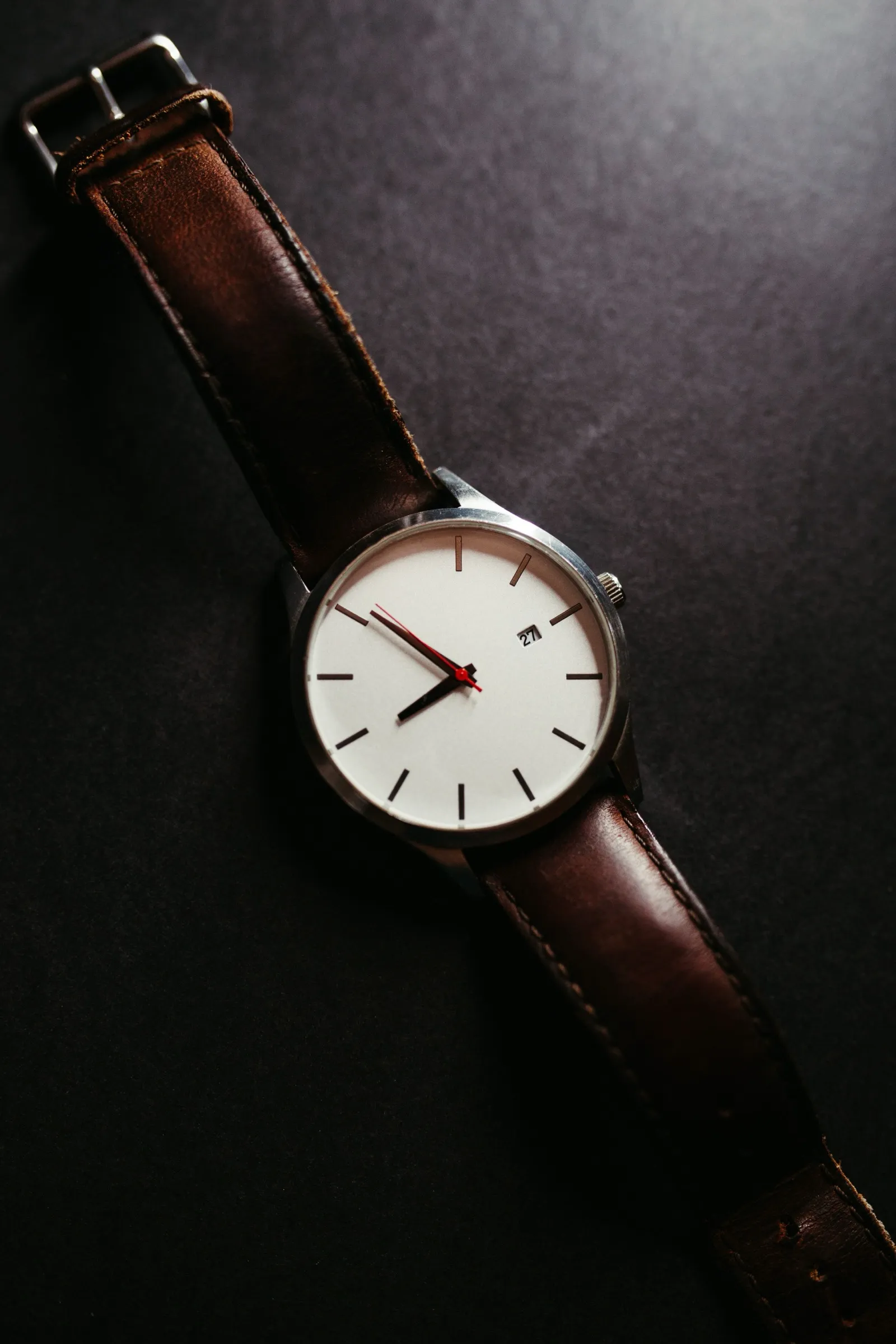
Osmund 38 Blanc
Lacquered white, applied steel batons, red seconds
€2,450
In stock — ships in 3 days
View watch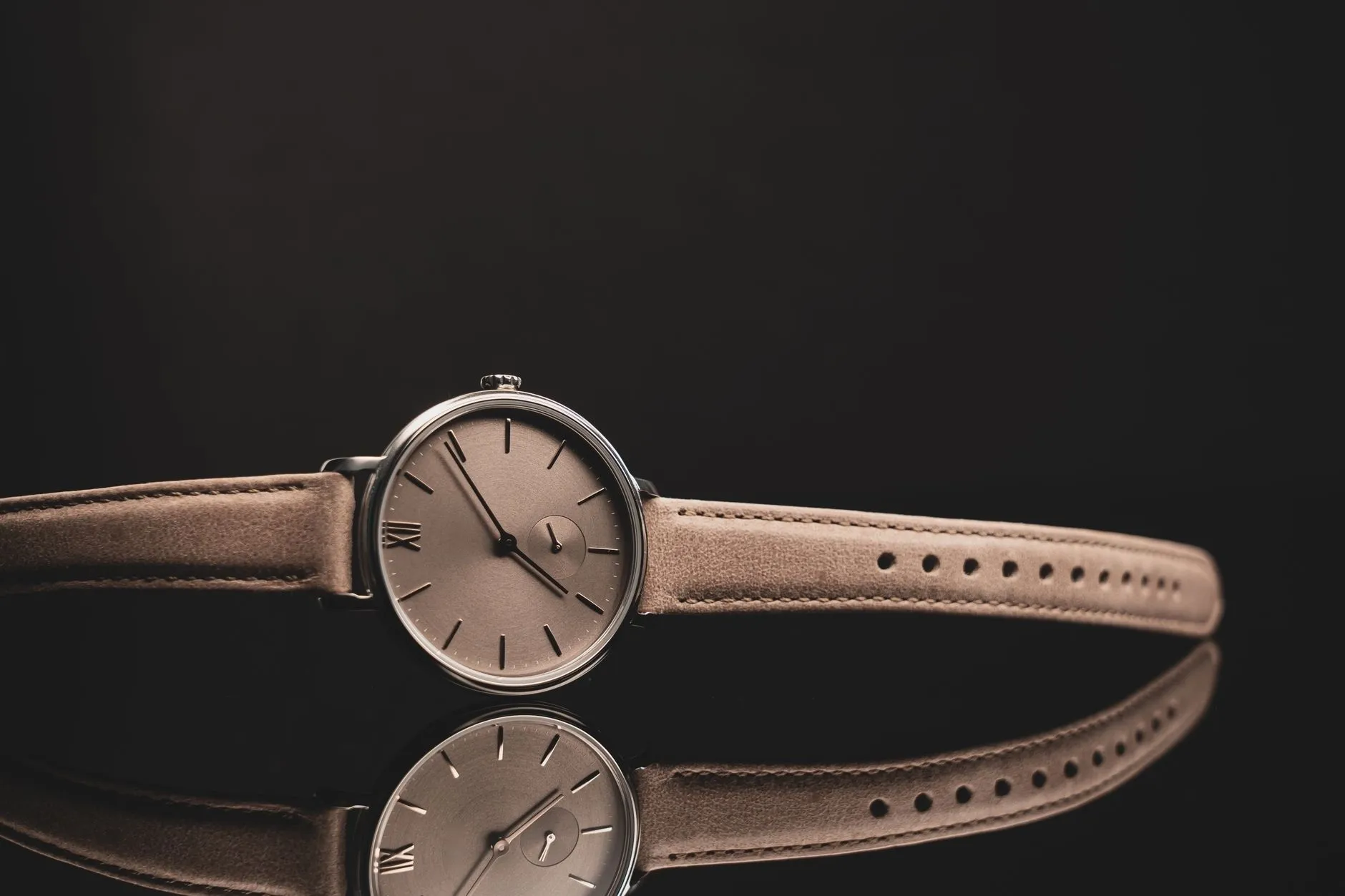
Osmund 38 Rosé
Brushed rosé, small seconds at five
€2,680
Made to order — 5–7 weeks
View watch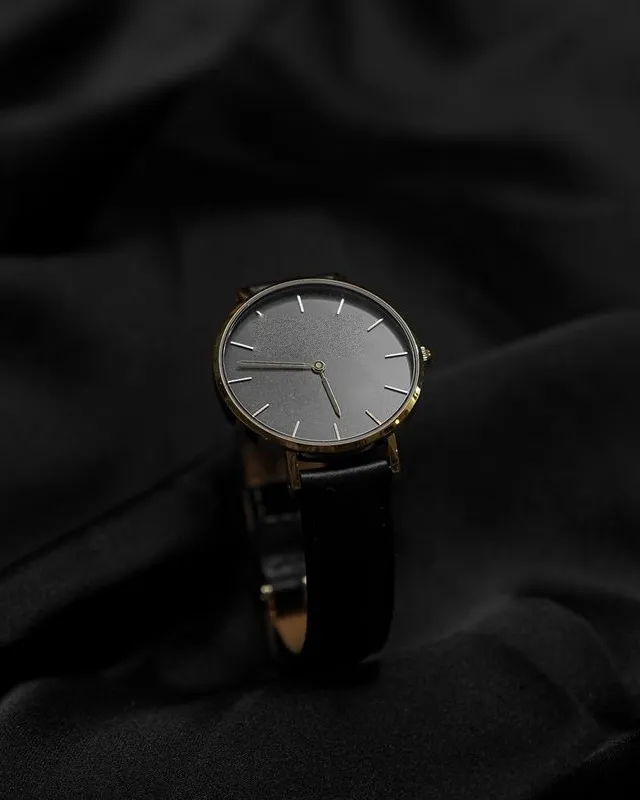
Osmund 36 Noir
Matte black, yellow-gold PVD case
€2,890
Next batch — join the waitlist
View watch
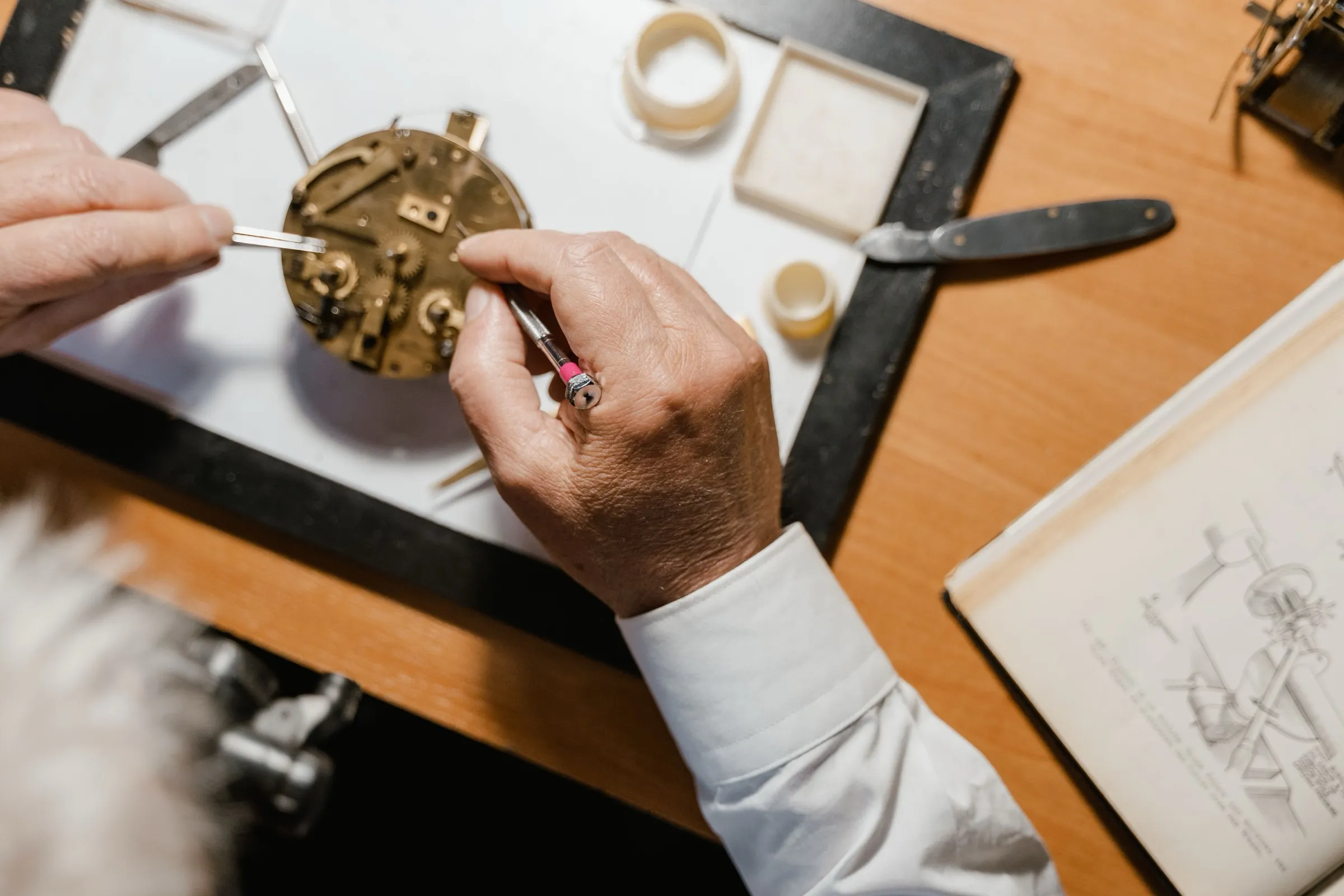
The workshop
Two benches. No assembly line.
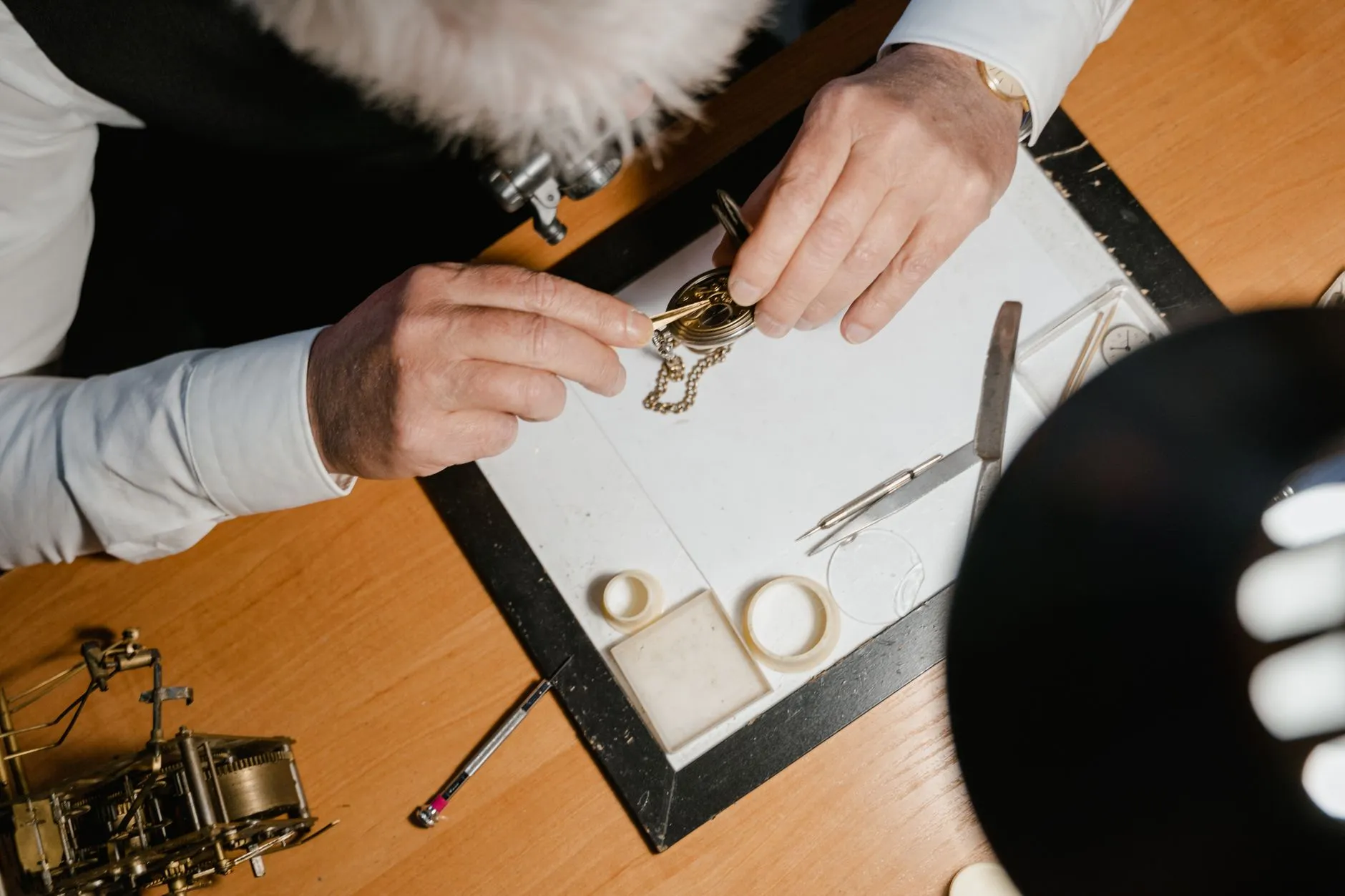
Osmund is two watchmakers in one room above a harbour-side courtyard. The person who builds your watch is the person who answers your email and the person who services it in ten years.
- Watches a year
- 220
- Hours on the bench
- 11
- Timing positions
- 5
How an Osmund is made
Eleven hours at the bench, start to finish
No part of the watch passes through a room we do not work in.
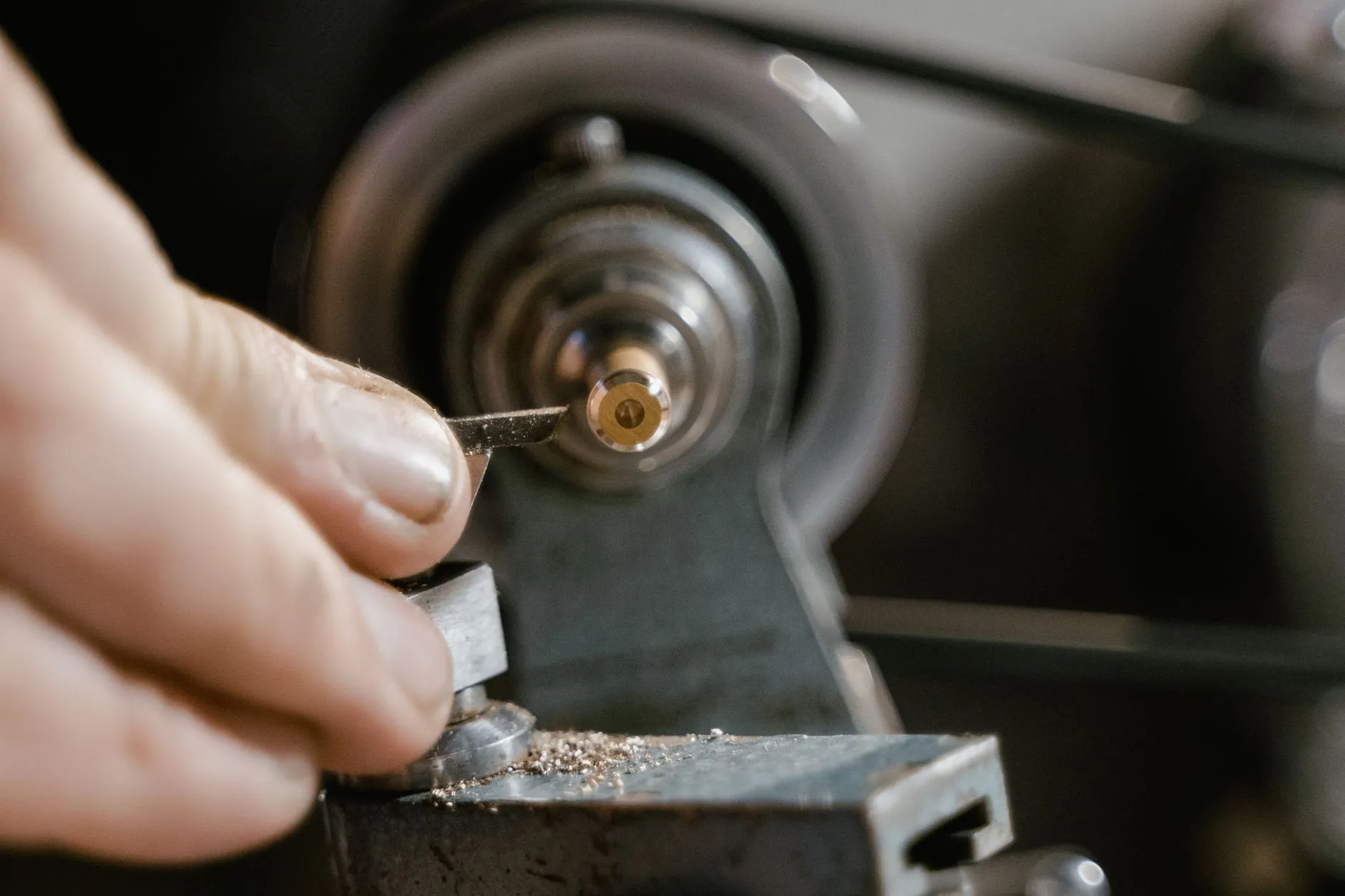
Turned
Case parts are cut from bar stock and finished on a watchmaker’s lathe, one at a time.
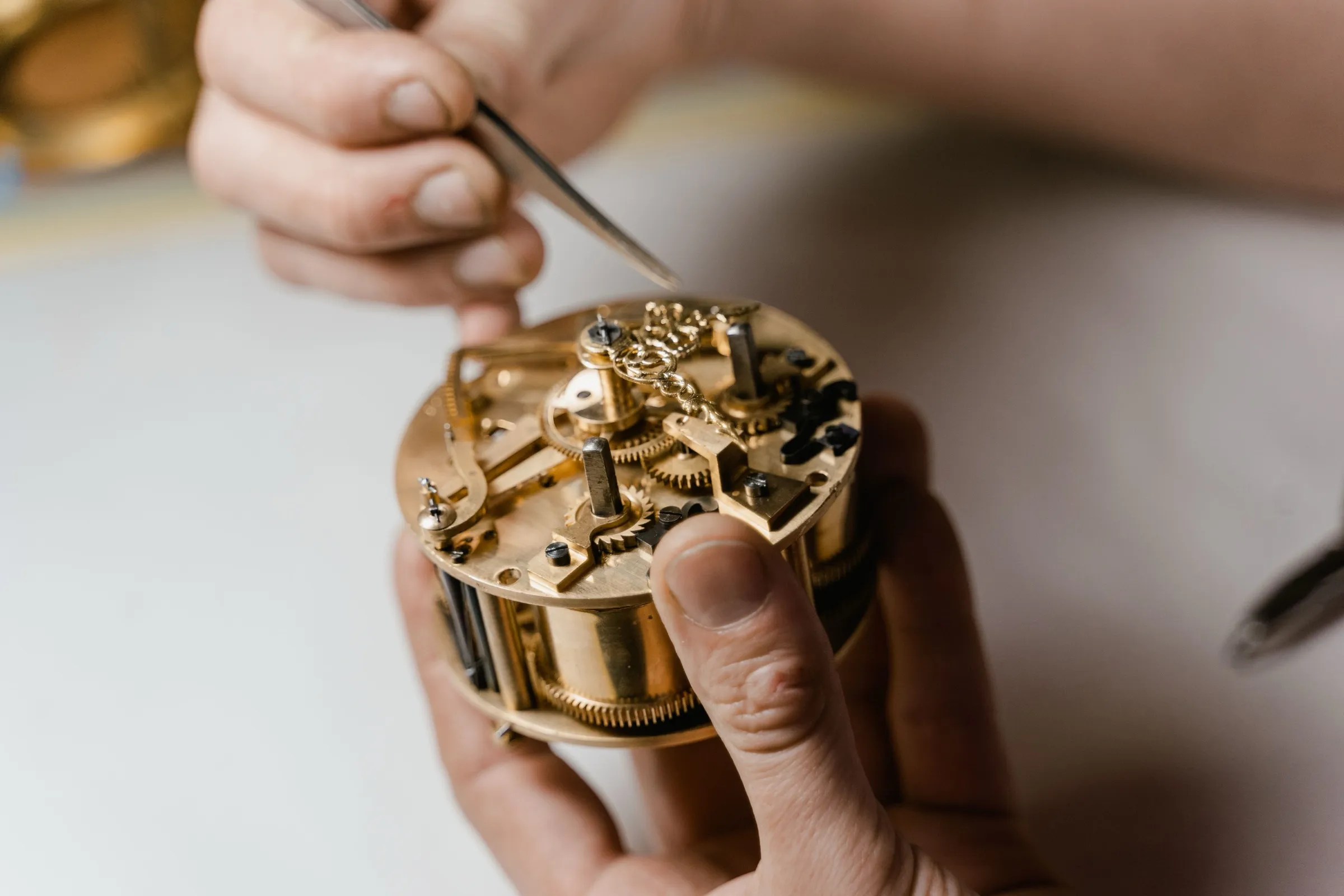
Assembled
Around 130 parts go into every movement, cleaned, oiled and fitted by hand under a loupe.
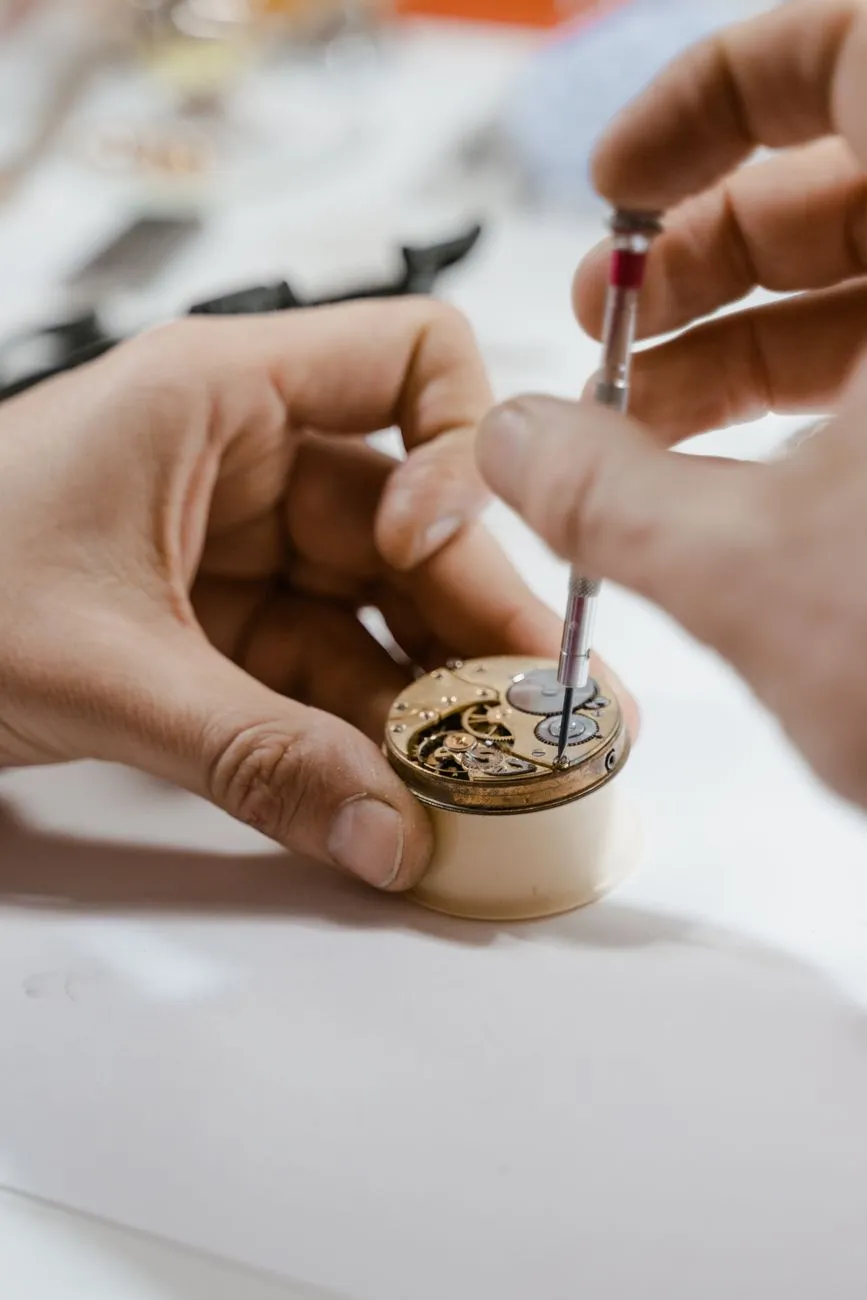
Regulated
Four days on the timing machine, adjusted in five positions until it runs within six seconds.
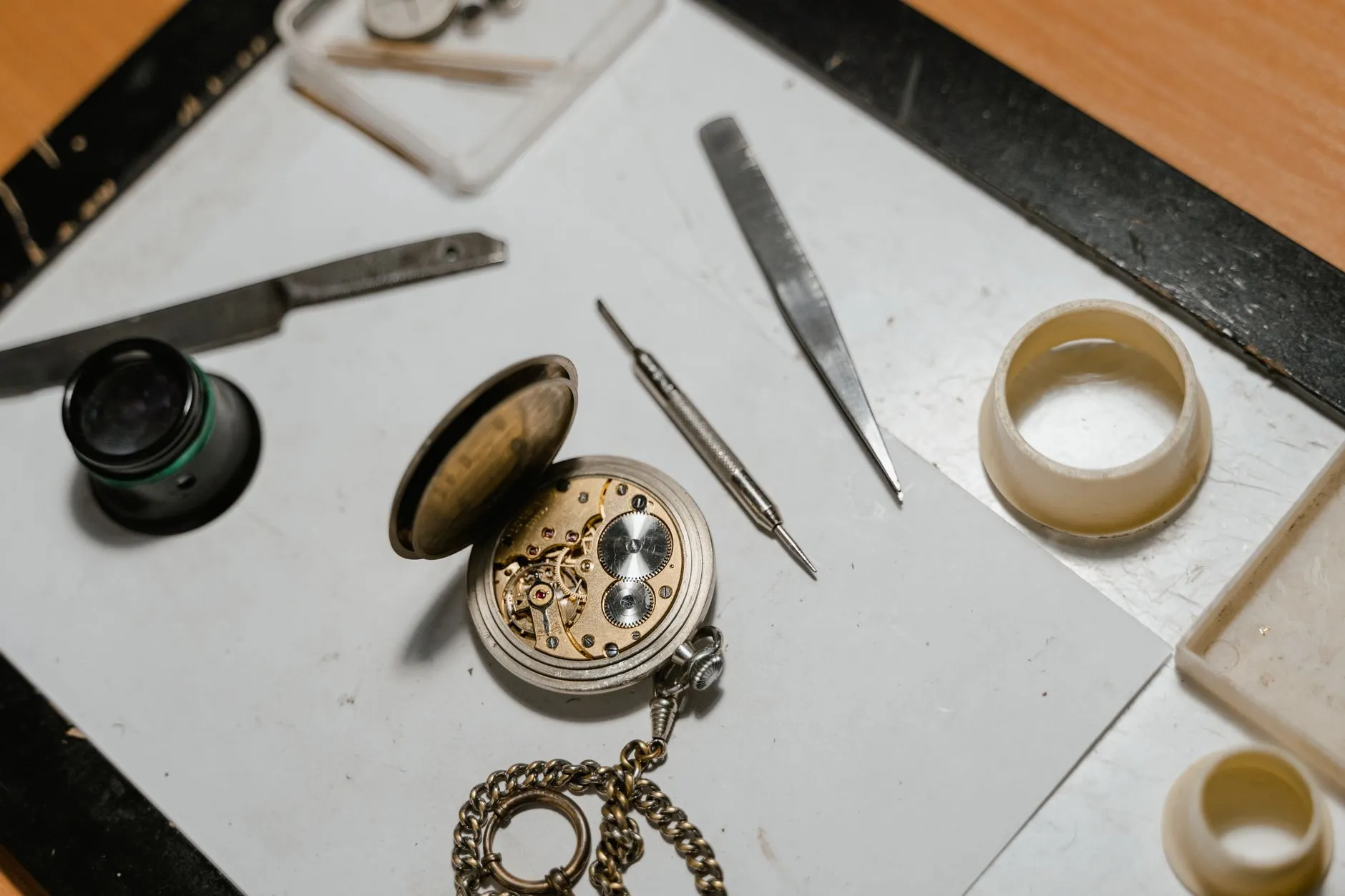
Signed
The watchmaker cases it, checks it, and signs the timing sheet that ships in the box.
Why Osmund
What are you actually paying for?
A mechanical watch is a small machine that will outlive its first owner — if someone can still service it.
| Feature | Osmund | Fashion watch | Luxury house |
|---|---|---|---|
| Movement | Mechanical, hand-finished | Quartz, sealed | Mechanical, industrial |
| Who services it | The watchmaker who built it | Nobody — replaced | A service centre |
| Service turnaround | About 3 weeks | — | 8–12 weeks |
| Warranty | 5 years | 2 years | 5 years |
| Price | From €2,450 | €150–400 | €6,000+ |
From owners
What owners write back
“I wanted one watch for the rest of my life. Two years in, it runs four seconds fast a day and I have stopped looking at anything else.”
“The watchmaker who built it answered my email himself and walked me through winding it. That does not happen anywhere else at this price.”
“It came back from its first service with a handwritten timing sheet. Same bench, same person, same week they promised.”
Journal
Notes from the bench.
Ownership · 18 August 2026
How to wind a hand-wound watch (and how often)
Once a day, at the same time, until you feel resistance. The rest is detail — here is the detail.
Workshop · 2 July 2026
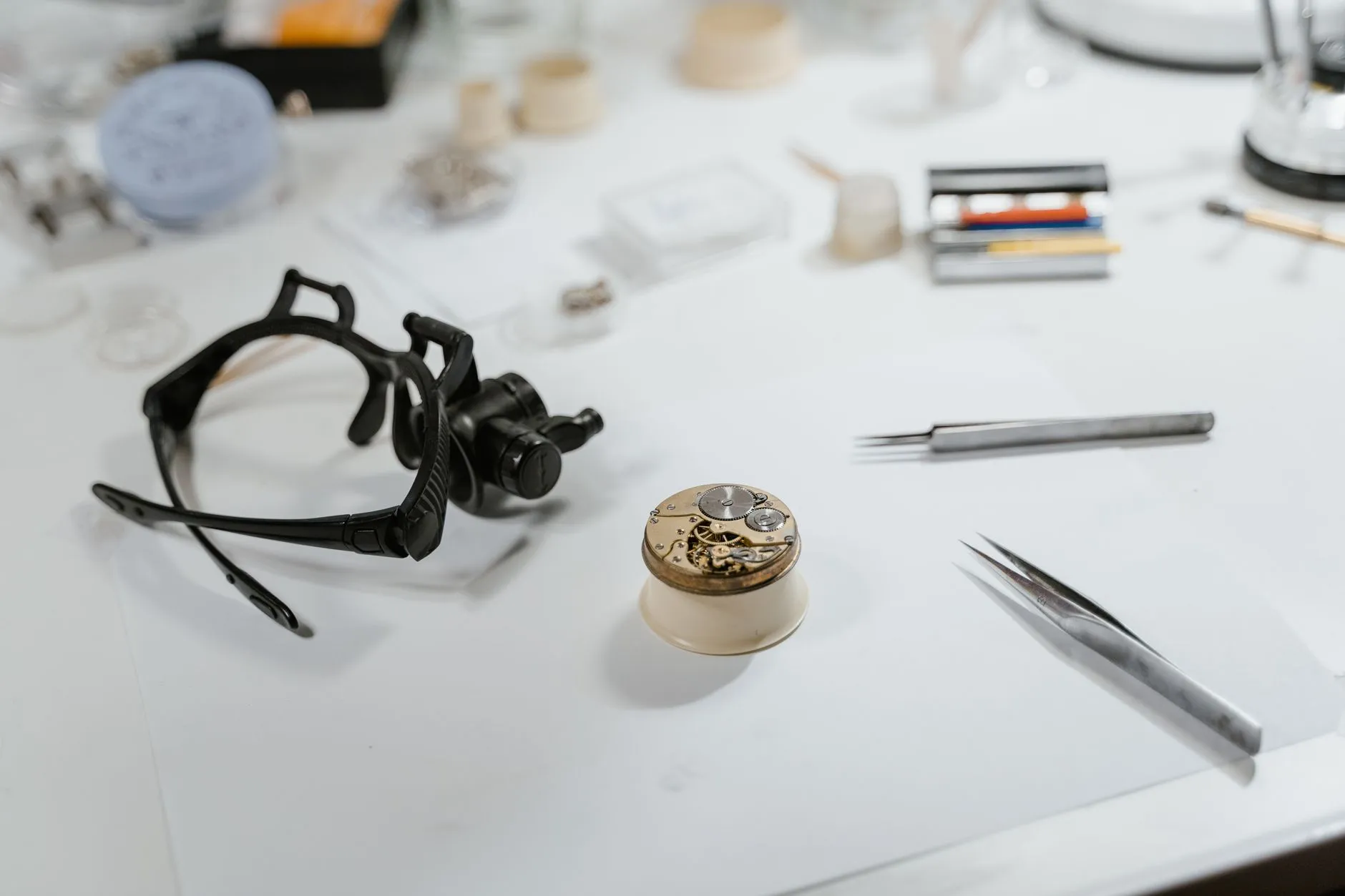
Why we make 220 watches a year
It is not a marketing number. It is what two people can make, finish, time and sign without cutting a corner.
Guides · 21 May 2026
Choosing a strap for your watch
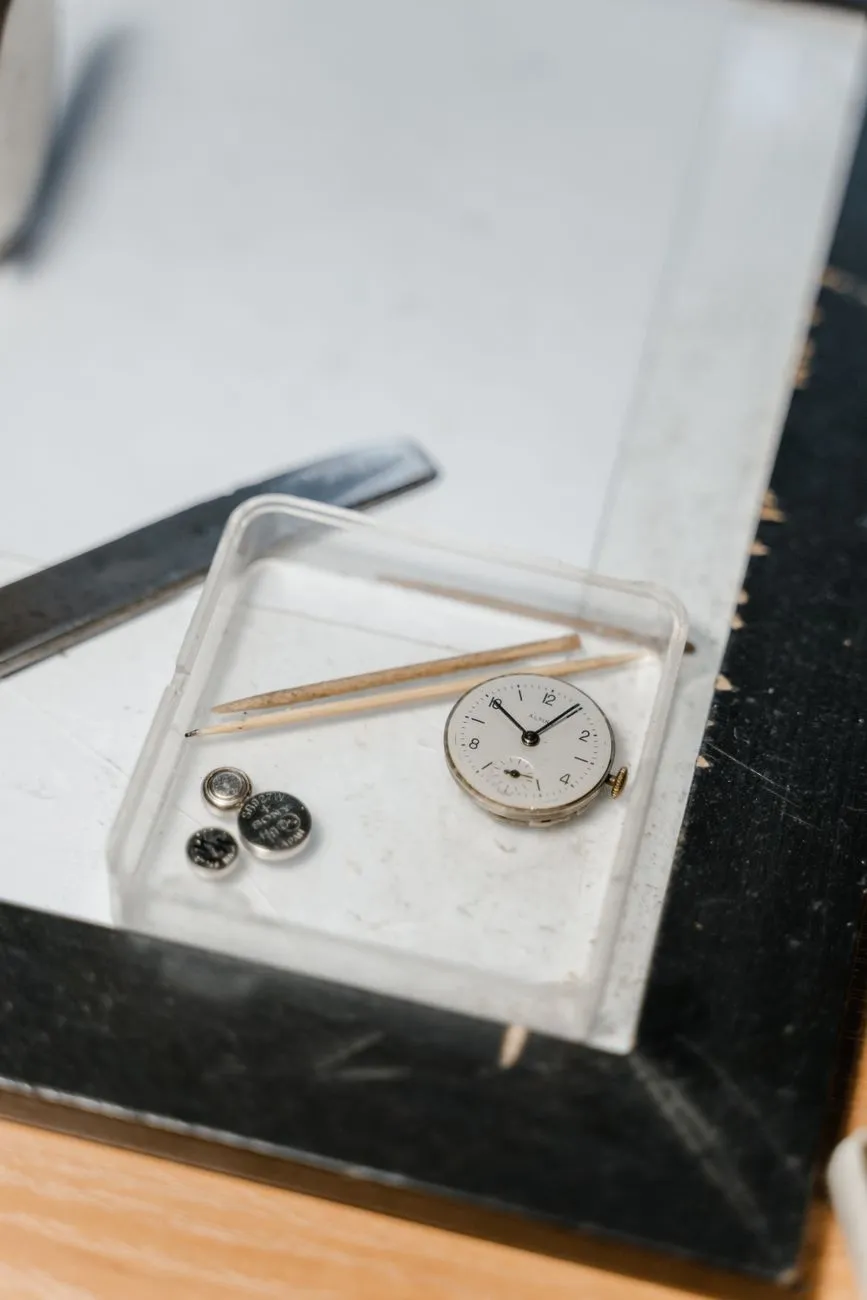
Leather, suede or steel mesh — what each does to the same watch, and how to change it yourself in ten seconds.
Questions
Before you buy.
Everything else is one email away — the watchmakers answer themselves.
How long does delivery take?
In-stock watches ship within three working days by insured courier. Made-to-order watches take 5–7 weeks from your order, and we send you a photo when yours is on the bench.
What does the five-year warranty cover?
The movement, the case and our workmanship, for five years from delivery. It does not cover the crystal, the strap, or damage from knocks or water beyond the rated depth.
How often does an Osmund need servicing?
Every five to seven years. A full service takes about three weeks in the workshop and costs a fixed €320, including a new timing sheet.
Can I return a watch?
Yes, within 30 days of delivery, unworn beyond trying it on. We send a prepaid, insured return label and refund within five days of the watch reaching us.
Can I visit the workshop?
Tuesday to Friday by appointment. You can see the benches, try every model on and, if you are collecting, pick your watch up from the person who made it.

Wear the one you will keep.
Try any Osmund for 30 days. If it is not the one, we collect it at our cost.